Should I Give a Recorded Statement?
A day or two after your wreck, a pleasant adjuster calls asking for a “quick recorded statement.” It sounds routine. It isn’t.
That call is one of the most important moments in your case — and how you handle it can cost or save you thousands. Here’s what the adjuster is really after.
That “Quick” Recorded Statement? Usually, Don’t
Within a day or two of a crash, your phone rings. A pleasant adjuster from the other driver’s insurance company says they just need a “quick recorded statement” to process your claim. It sounds routine. It isn’t. You are not required to give one — and how you handle that call can cost or save you thousands.
By Heist Law Firm · North Charleston, SC. General information, not legal advice.
What the Adjuster Is Actually After
The adjuster works for the company that has to pay you. Their job is to reduce what you receive — and a recorded statement helps them do it.
You Are Not Required to Give One
You are under no legal obligation to give a recorded statement to the other driver’s insurance company. You can politely decline.
Something as simple as — “I’m not giving a recorded statement right now; please put your request in writing” — is enough. (Your own policy may require you to cooperate with your insurer, which is different — but even then, it’s smart to talk to a lawyer first.)
A Safe Thing to Say
“I’m not giving a recorded statement right now — please put your request in writing.” You don’t owe the other driver’s insurer an explanation.
Don’t Sign the Medical Authorization, Either
Adjusters often ask you to sign a form releasing all of your medical records. Don’t. A broad authorization lets them dig through your entire history looking for a pre-existing condition to blame your injuries on.
Your attorney will share only the records that actually relate to your claim — nothing more.
The Simplest, Safest Move After a Crash
Before you say anything to any adjuster, talk to a lawyer — it’s free, and it costs the insurance company their best trick.
Once Brent represents you, the adjusters talk to him, not you, and you can focus on getting better.
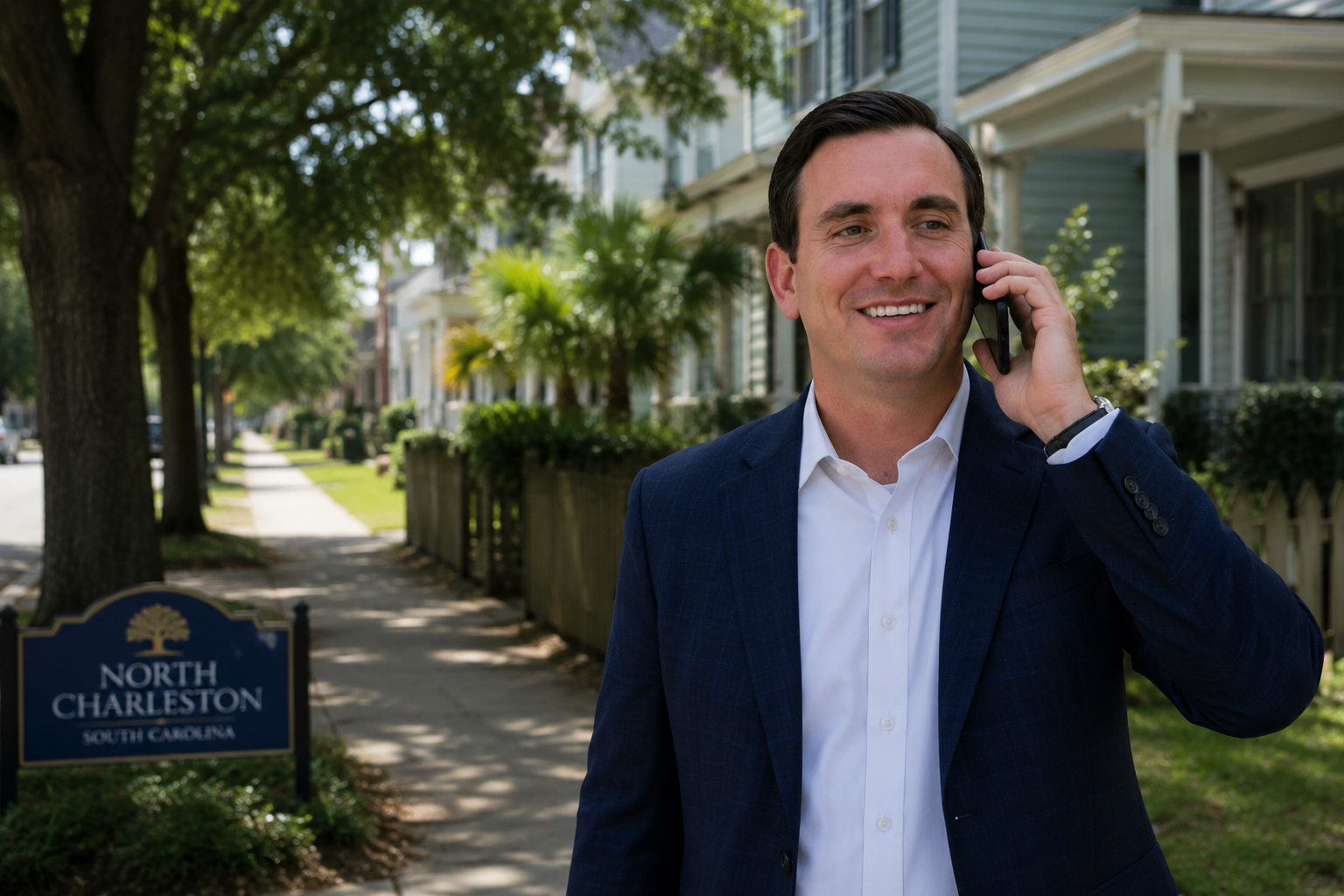 Brent Heist · Attorney & Founder
Adjuster Already Calling? Let Us Handle It.
Before you say anything to any adjuster, talk to a lawyer — it’s free, and it costs the insurance company their best trick.
Once Brent represents you, the adjusters talk to him, not you, and you can focus on getting better.
Recorded Statements: Common Questions
Do I have to give the other driver’s insurer a recorded statement?
What should I say when the adjuster calls?
Should I sign a medical authorization form?
What about a statement to my own insurance company?
What does it cost to talk to a lawyer first?
What Our Clients Say About Brent
Heist Law Firm holds a 5.0-star rating across 112 Google reviews. A few, in our clients’ own words.
“We’ve worked together on multiple cases. He goes above and beyond for the best possible care and settlement.”
“Such a relief to have someone deal with the insurance company. Very responsive and always available. Very satisfied with the outcome.”
“Great at communication and extremely professional. Great not to worry about dealing with the insurance companies. The best personal injury firm by far!”
These are genuine reviews left by real Heist Law Firm clients on Google. Every case is different, and past results or client experiences do not guarantee a similar outcome in your case.
Talk to Brent Before You Talk to the Adjuster
The other driver’s adjuster is friendly for a reason. Before you give a statement or sign a form, let someone who knows their playbook look at it first.
Free case review, no fee unless we win. Once we’re on your side, they talk to us.
Keep reading: Charleston car accident lawyer · The first 24 hours after a crash · What is my case worth?